MYTHOS
We’re going to peek under the hood at my longest-standing project: the creation of a secondary world. Mythopoeia, or alternately mythopoesis, is the creative act of constructing a mythos, and by extension an entire mythical landscape. Since I was old enough to hold a pencil, I have honed my creativity on just such a “secondary creation” (as J.R.R. Tolkien called his own Middle Earth).
The world is named Táre, and she is a living creature with flesh and bones as much as any Westeros or Duneverse. Over the years I have crafted every aspect of this world, from the costumes to the architecture, from the ecology to the languages. The end result is a living world that mirrors our own.
If you want to read fiction set in the world of Táre, you can check out my book of short stories, Ten Matrical Daemons.
Worldbuilding
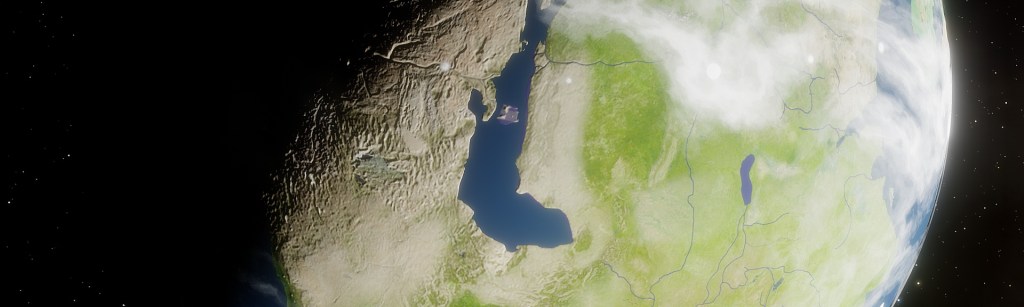
The enchantment of creating an imaginal world is that it provides such an expansive canvas. There’s room with such a medium for design, fashion, cartography, calligraphy, art, heraldry, linguistics, and every other thing under the sun.
Cartography
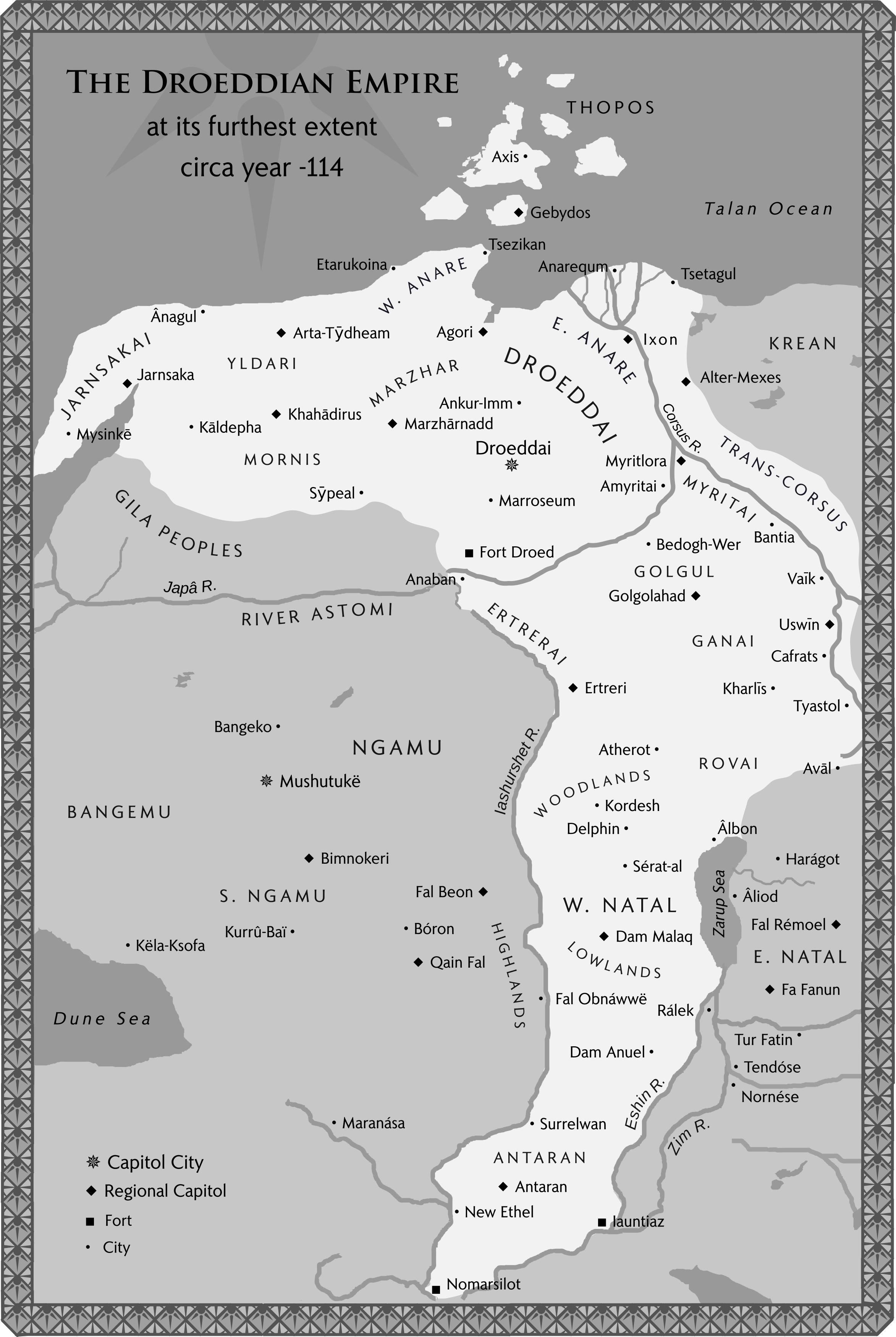
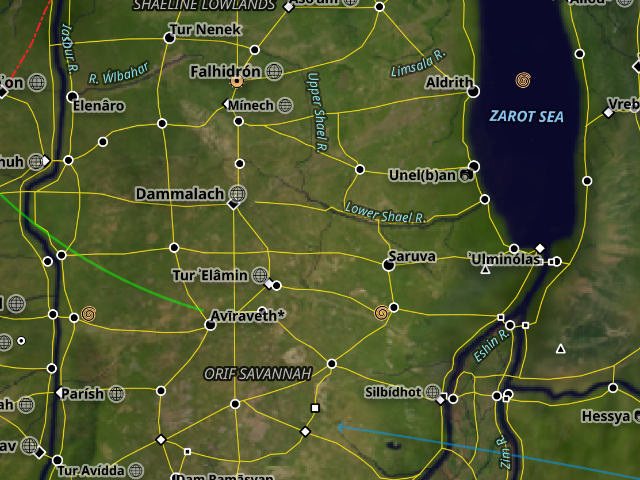
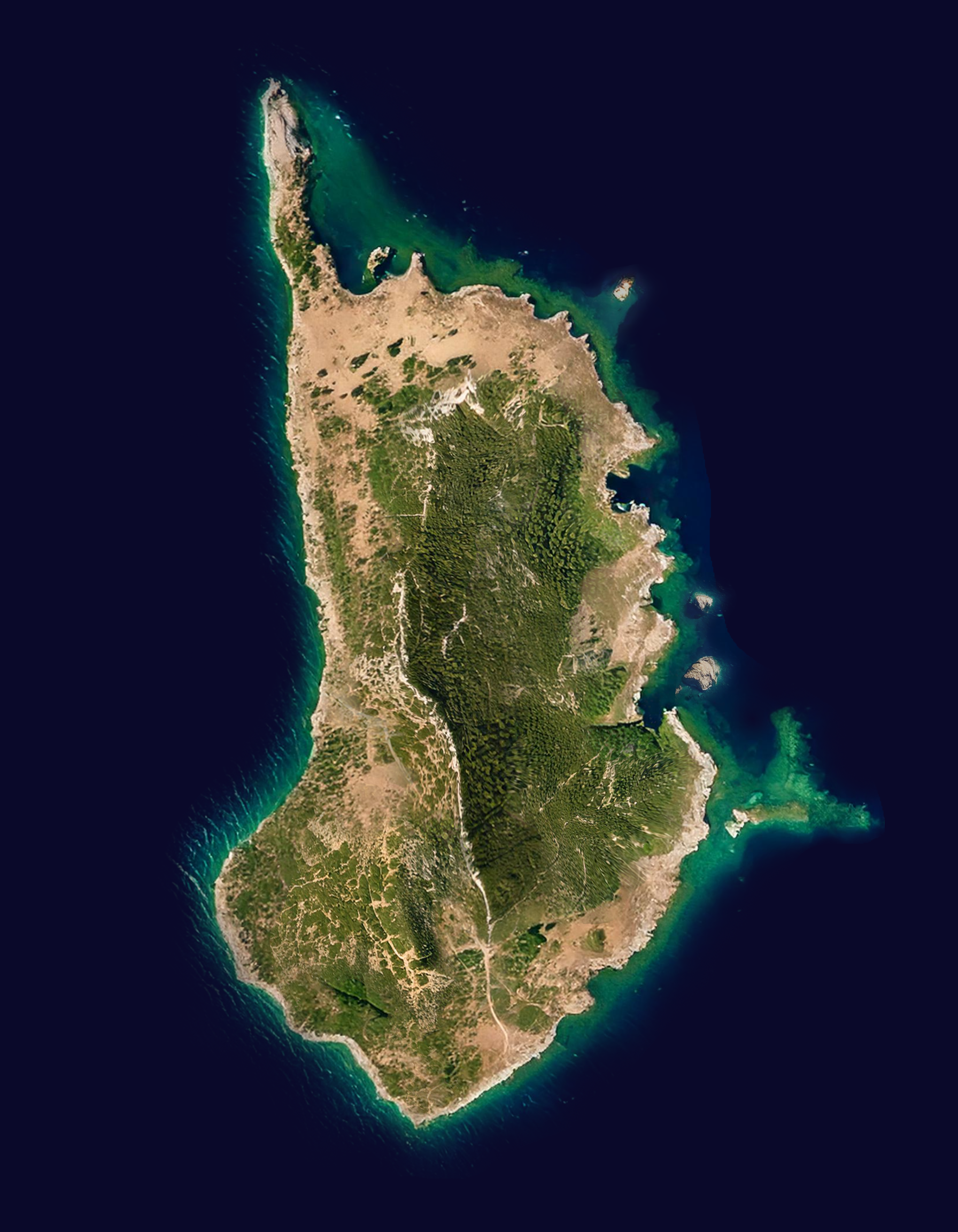
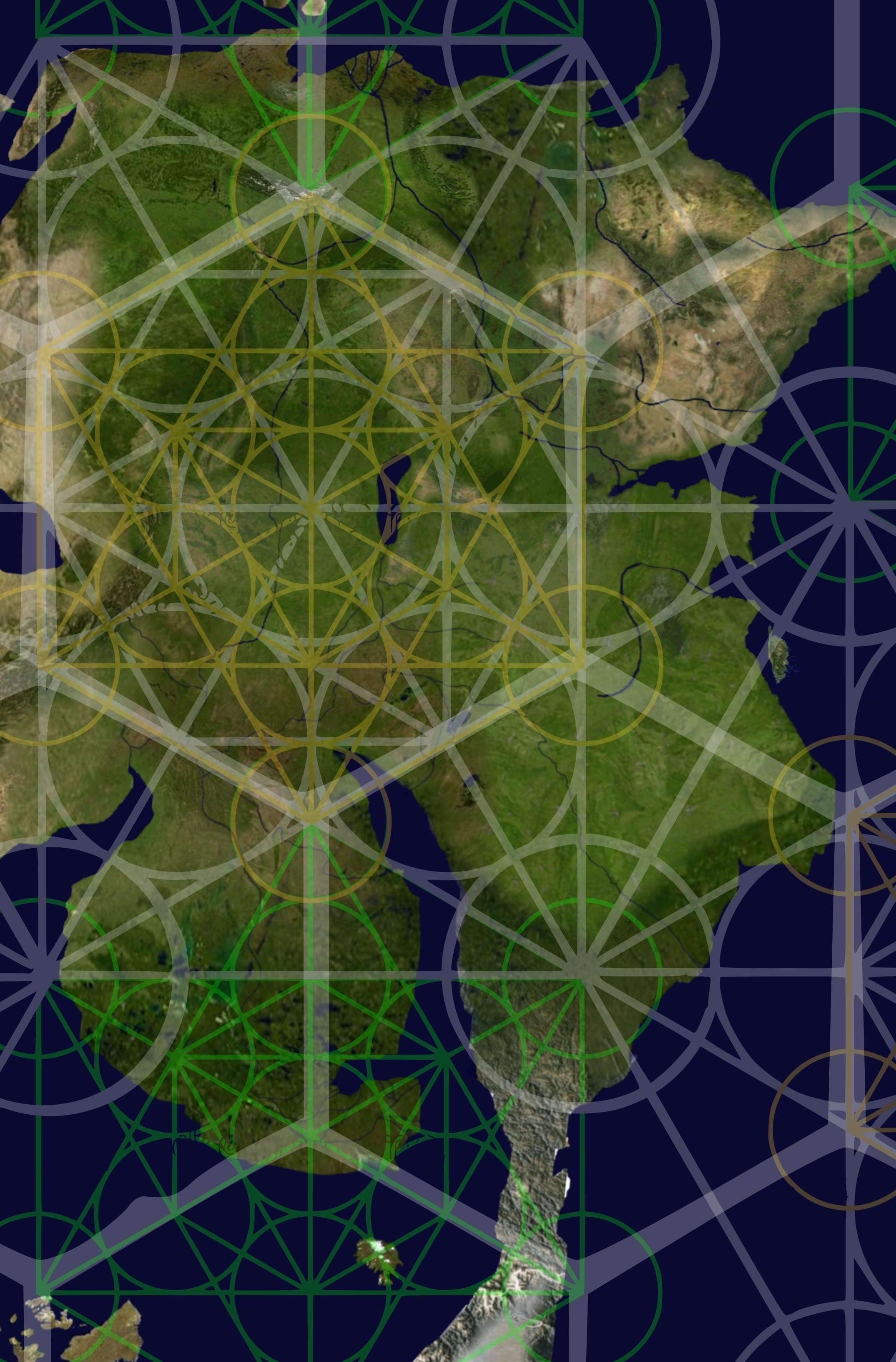
On the aesthetic level, my “satellite” maps are made first with a mock-up of the terrain stitched together from real satellite imagery and some manual painting. The next step is to generate more custom-fitting terrain textures, and here Adobe Firefly really shines. By having the generative AI iterate over my mock-up, I get great terrain samples that can then be stitched together in GIMP into a more precise, tailored landscape.
Beneath the surface, there’s more to fictional cartography that pretty images. The locations themselves are composed of archaeological layers, and the etymology of their place-names embeds the landscape with the world’s history & soul..
Ecology
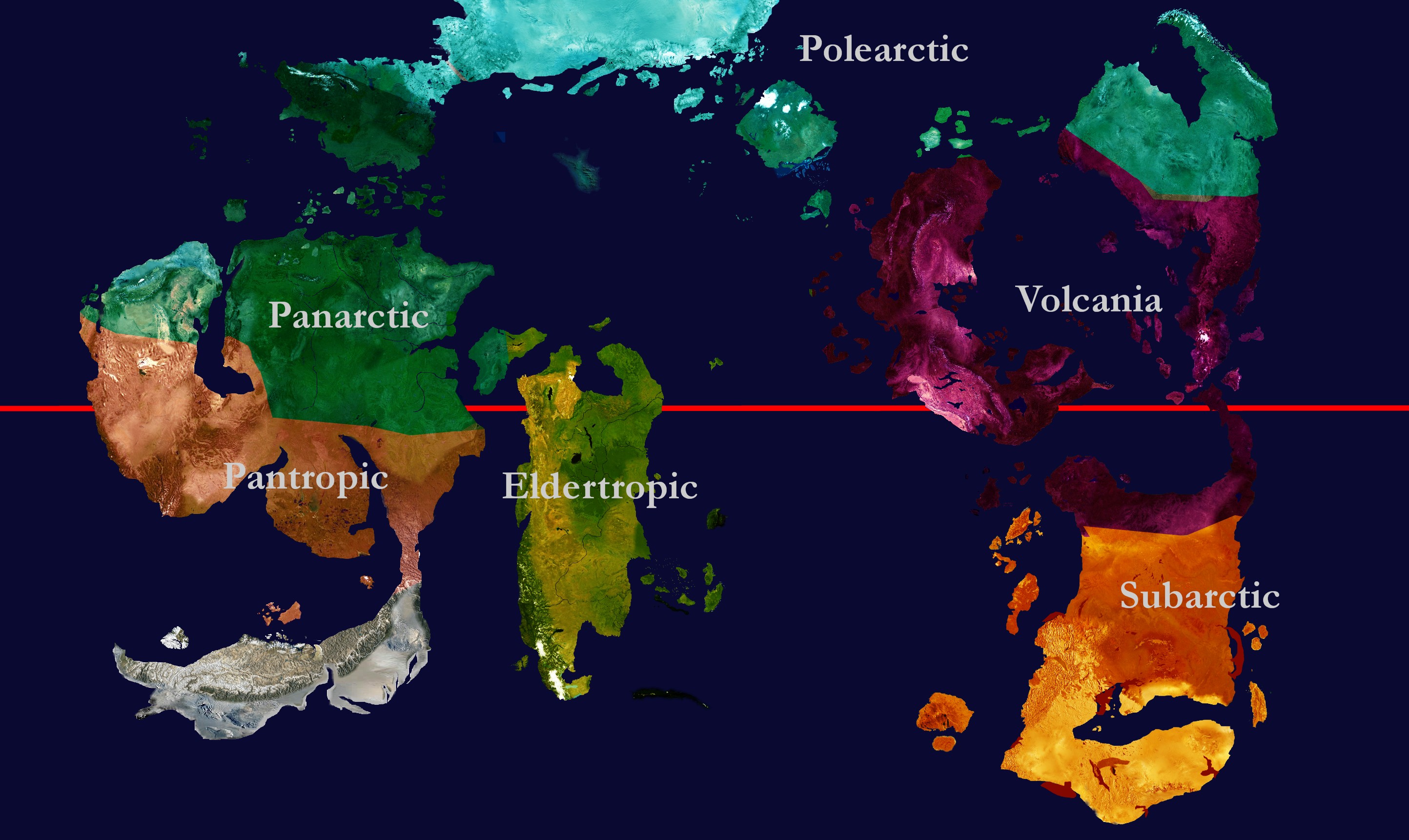
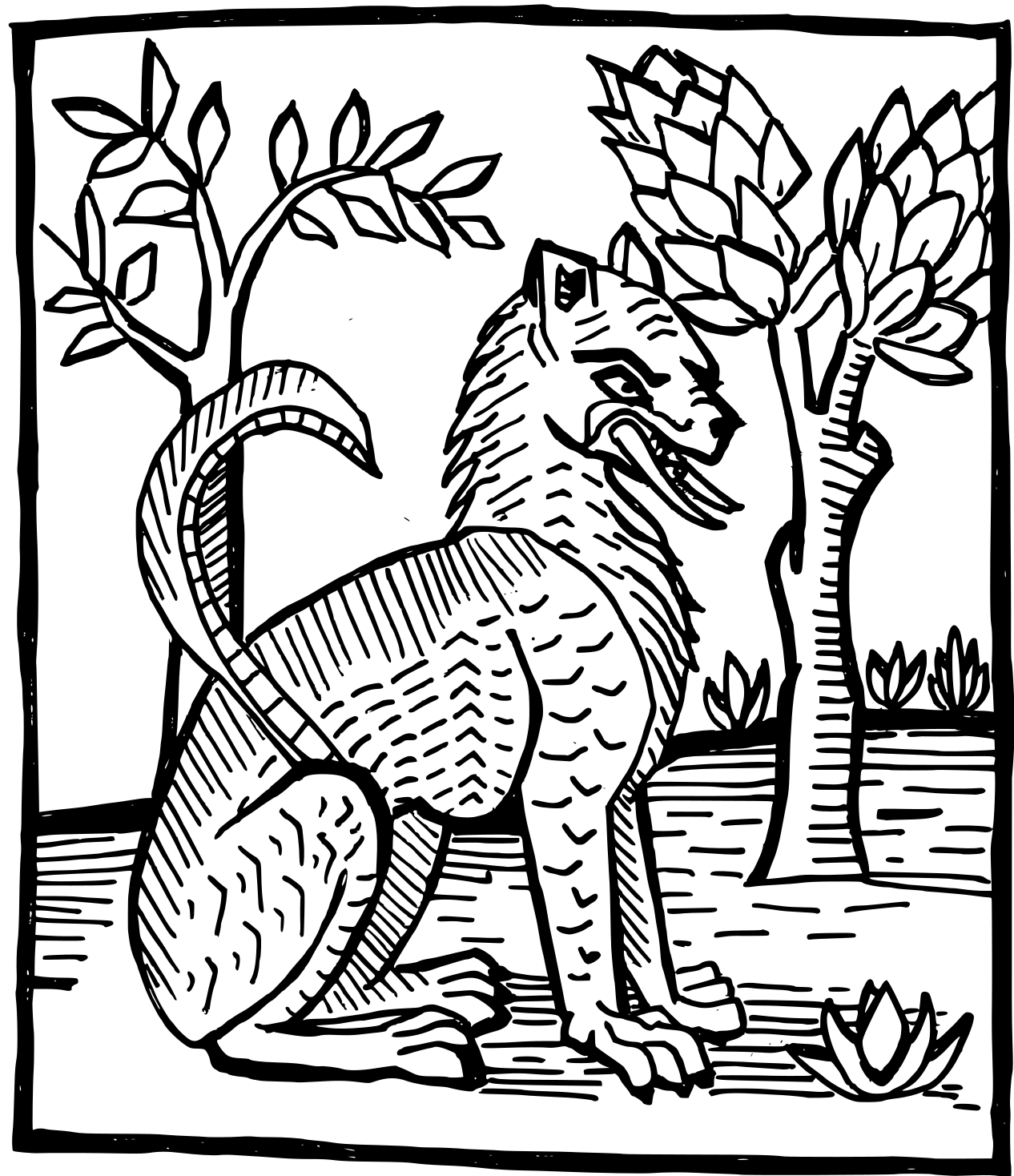
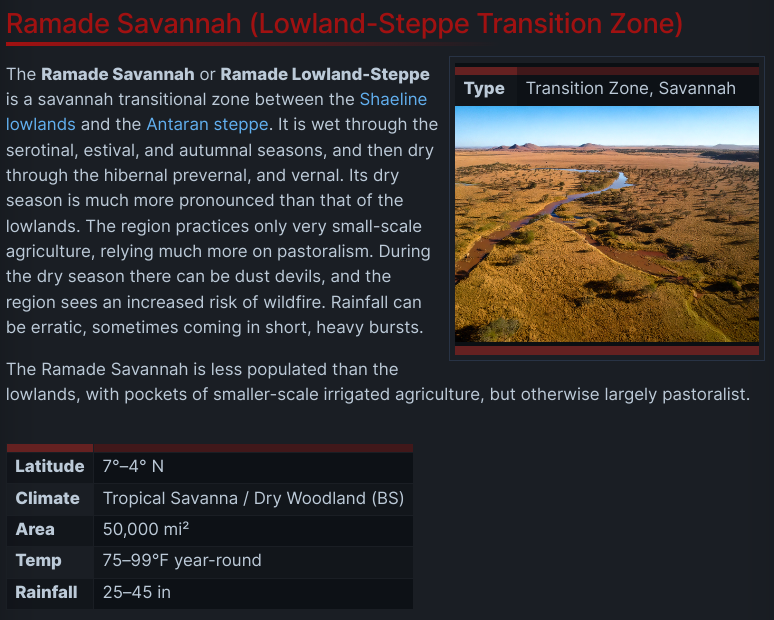
The world is a living breathing thing, a complex matrix of interdependent ecosystems. For regional climates I start with a latitude measurement and a description of the surrounding terrain: features like mountains, lakes, or gorges that will alter the climate, or the prevailing winds and ocean currents. ChatGPT helps me estimate the rainfall and research real-world comparable climates, which then informs the construction of realistic flora & fauna and helps dial in the annual temperatures and seasonal eccentricities.
Culture

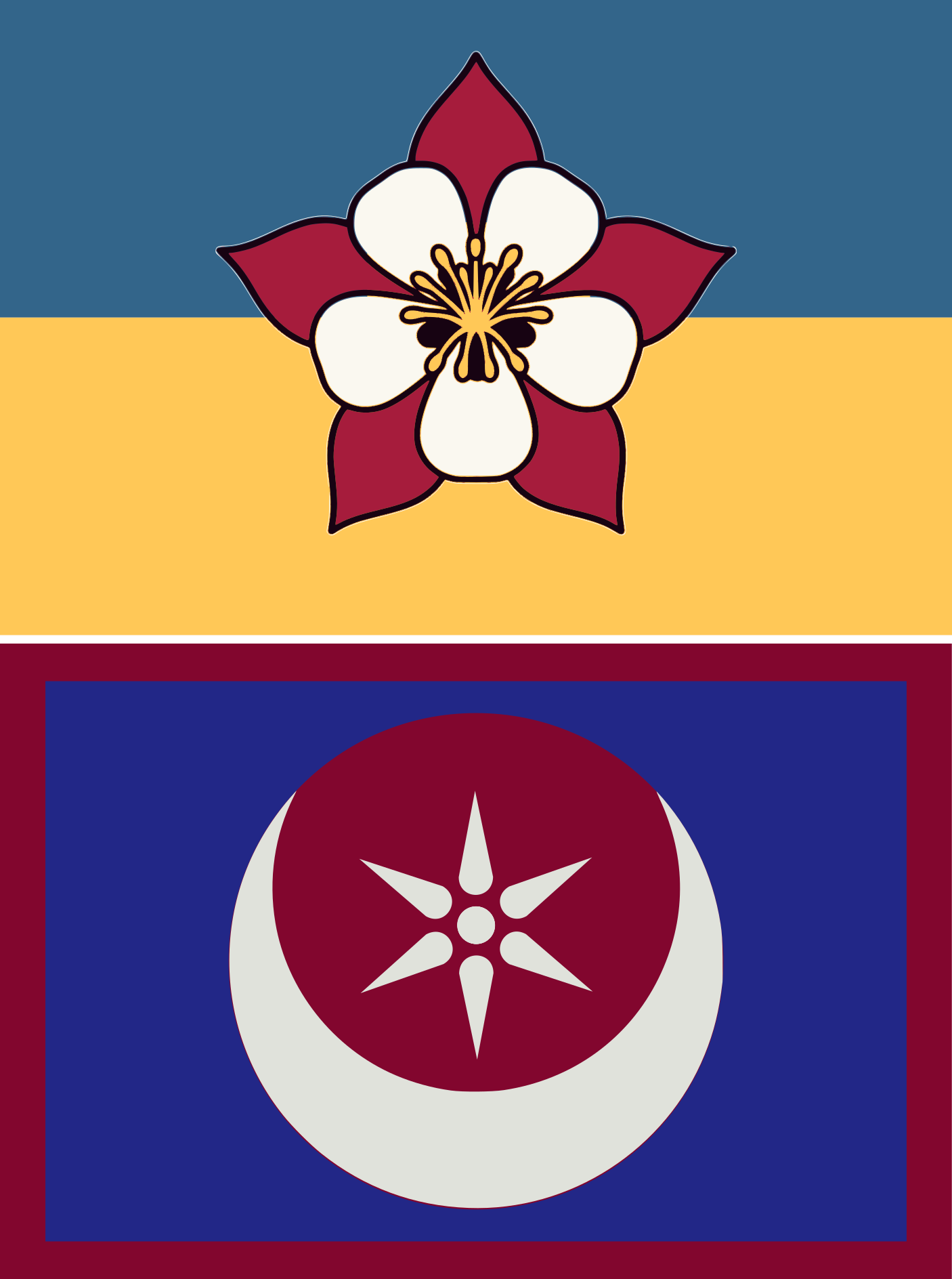
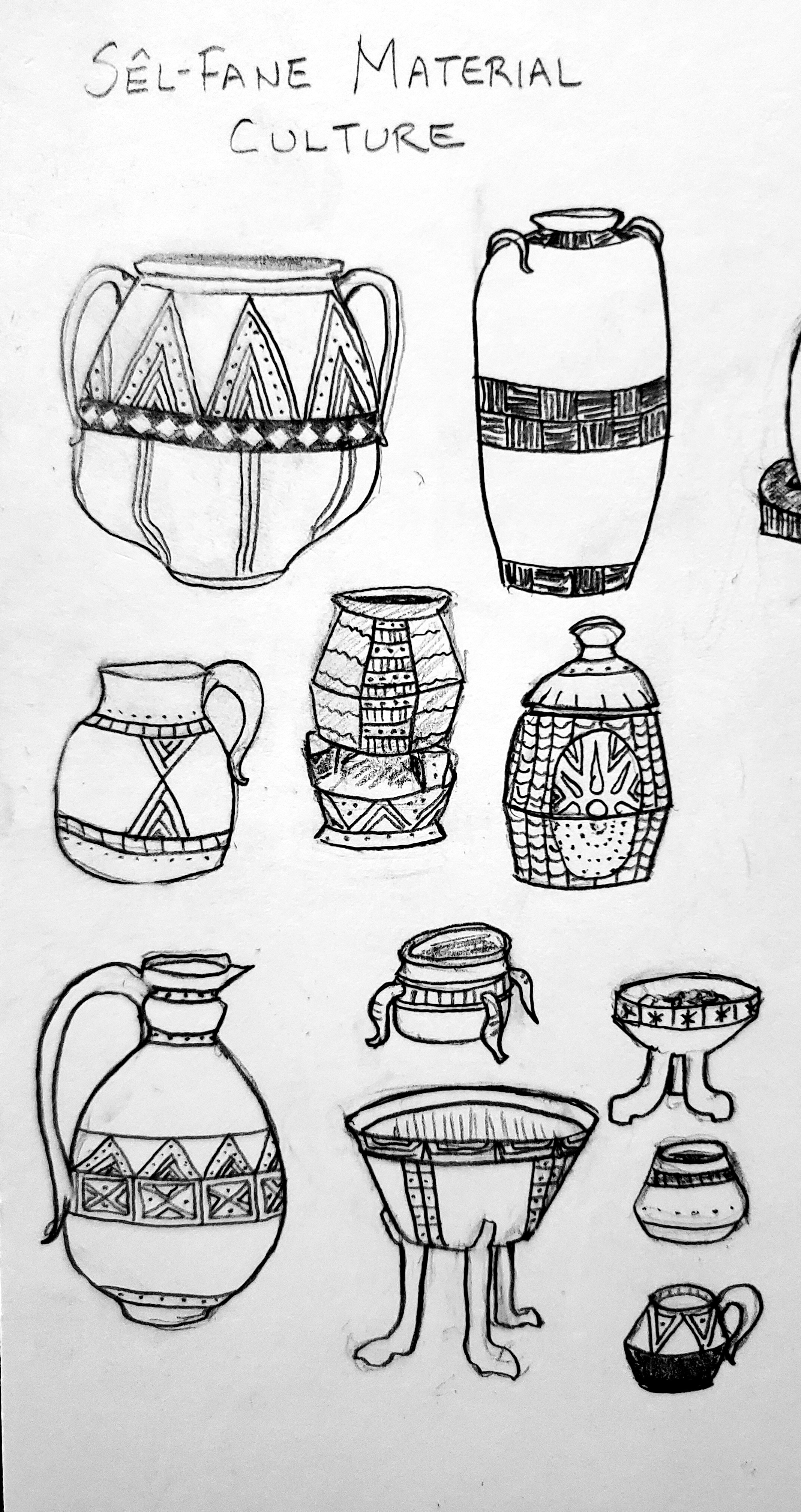
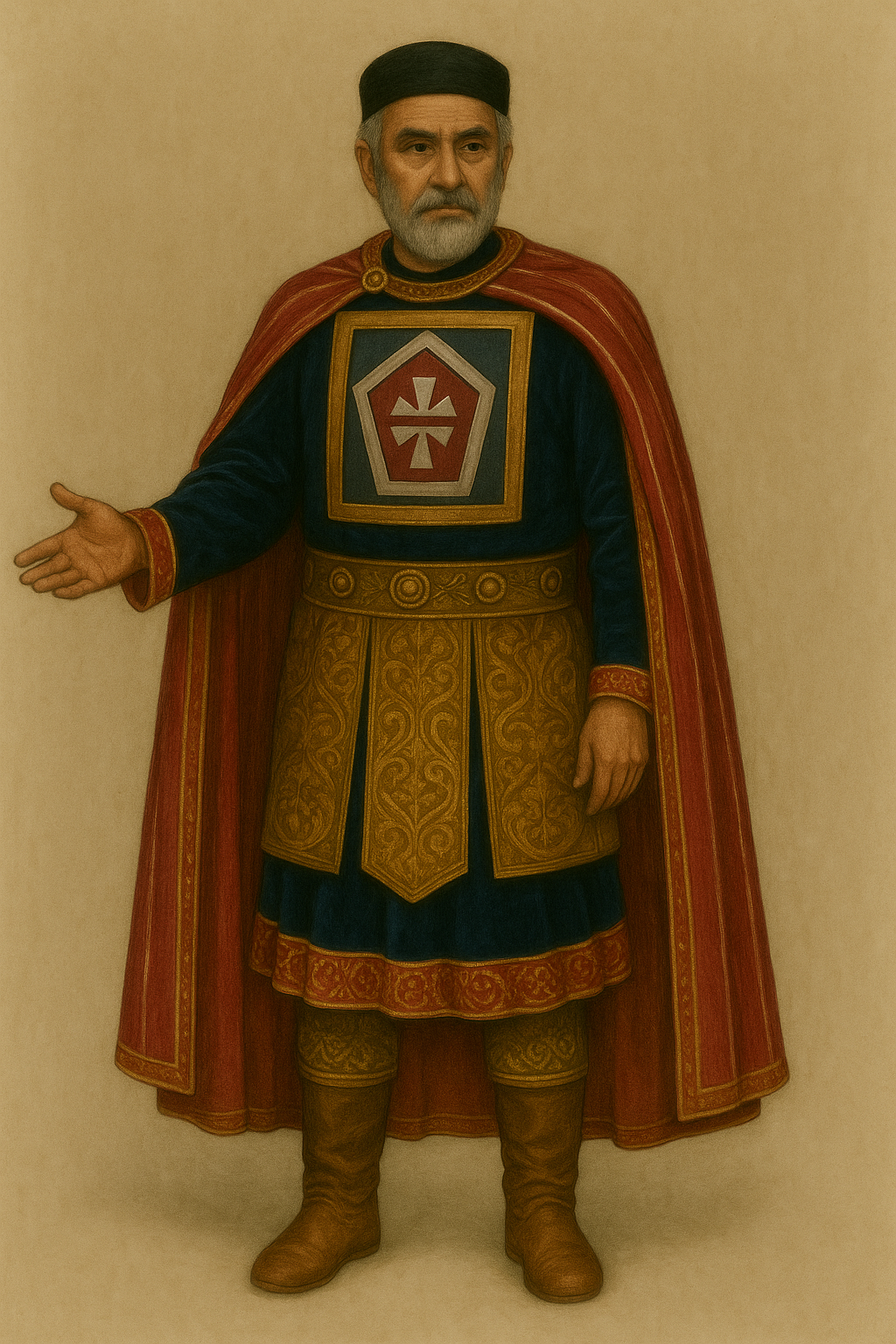
The world of Táre is home to many distinct cultures, each with their own traditions, taboos, material culture, art production, mythology, and embodied ritual. If Táre herself is the main protagonsit of her own story, then these cultures form the archetypes and personalities playing out the global dynamics of her evolution.
Language
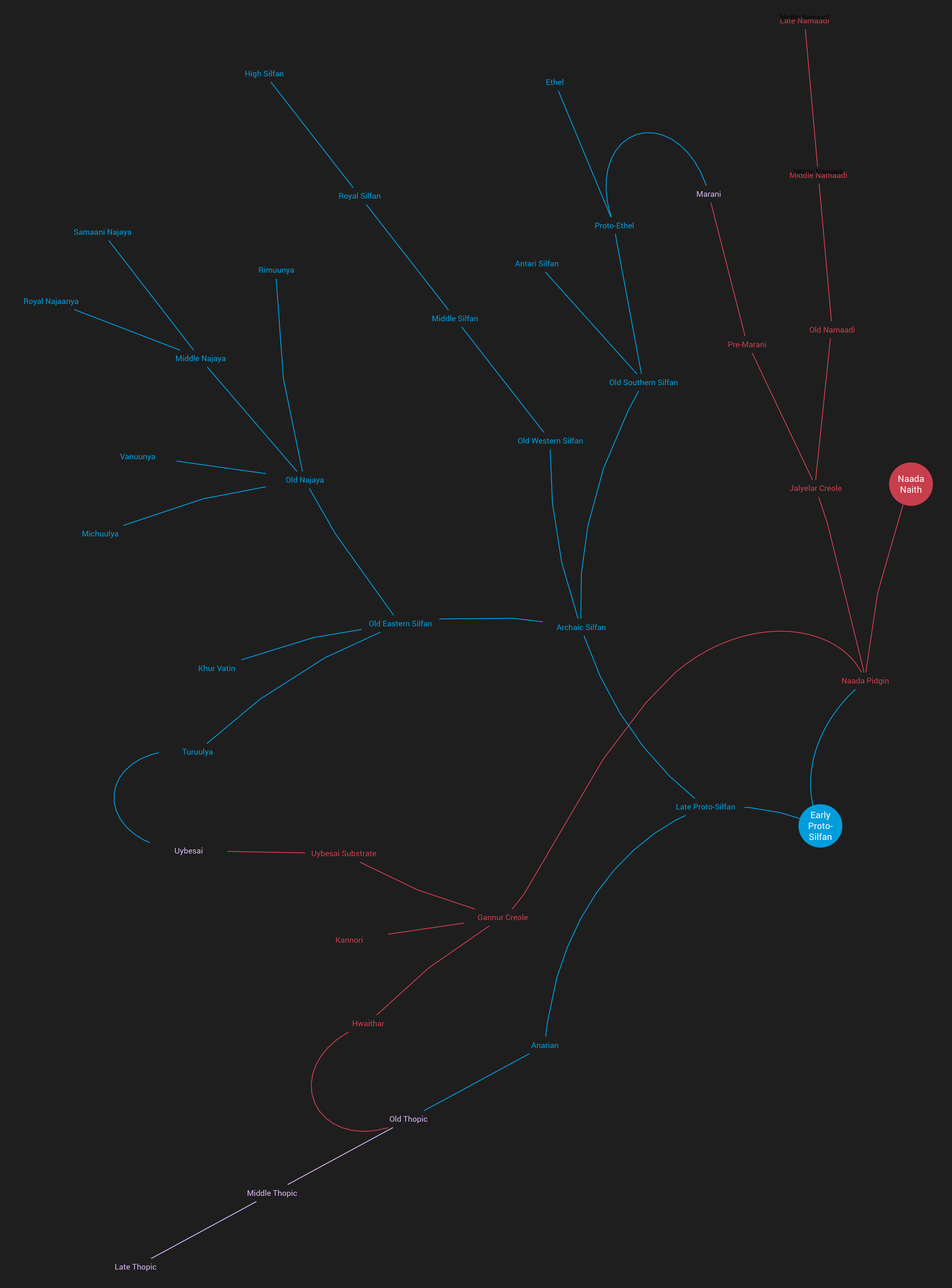
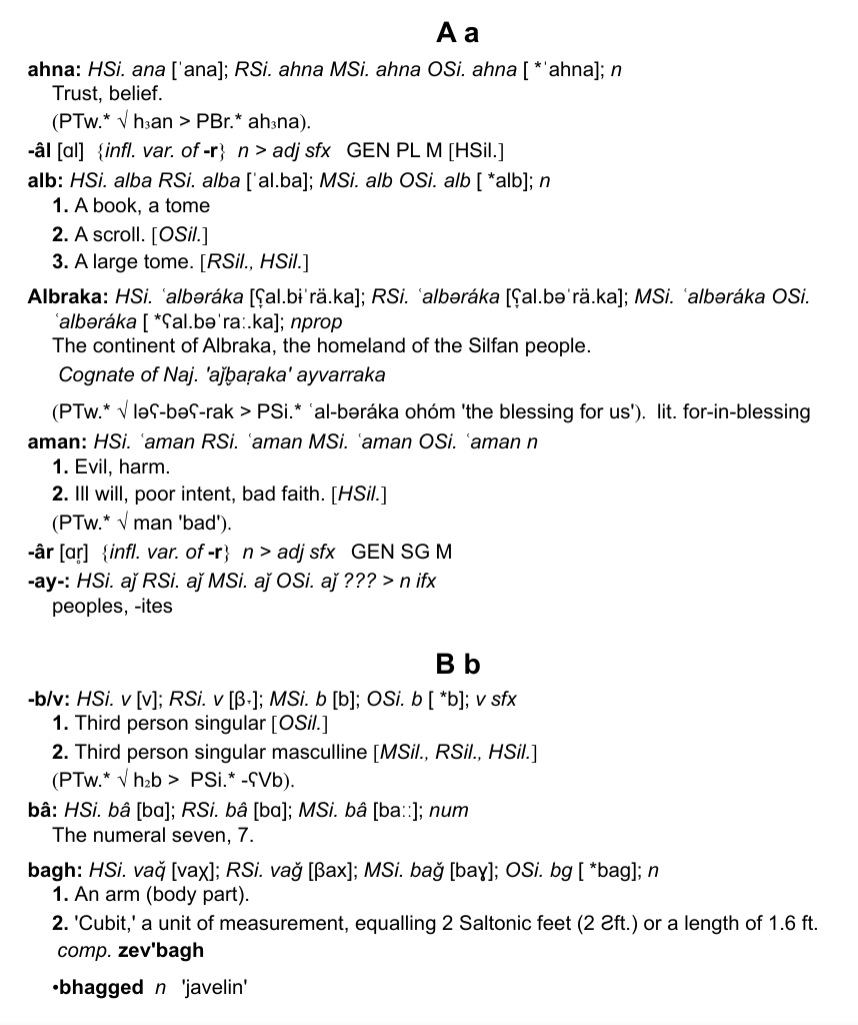
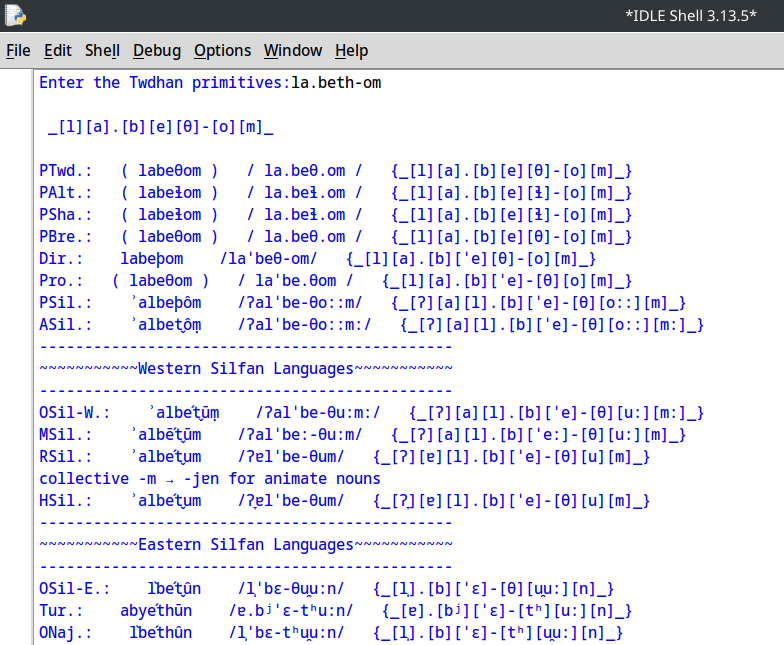
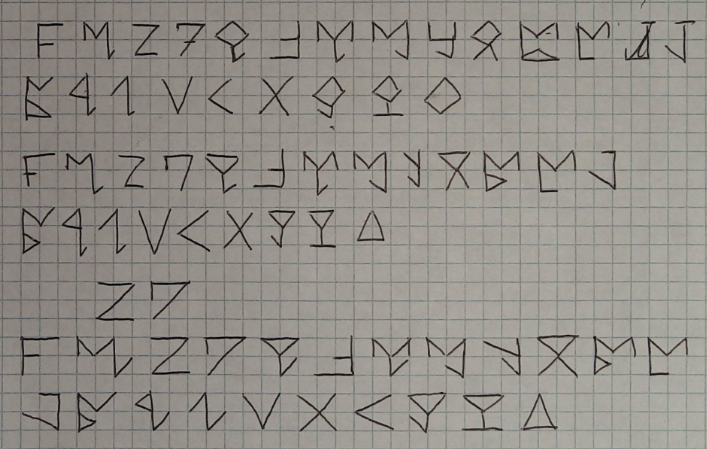
My constructed languages are evolved from the ground up using principles from historical linguistics and evolutionary phonology. Starting from several primitive ancestral proto-languages, the phylogeny splits and bifurcates into an entire arbor of languages. One language becomes another through discrete diachronic sound changes. These are easy enough to write into a Python program in order to quickly derive daughter words from the mother. As of now one particular language family is the most developed, but at least 10 are at some level of serious development; sound changes & phonology have been mapped out for nearly all the languages.
Tools
Pen & paper, LibreOffice, Scrivener, Obsidian, Dataview, GIMP, Inkscape, draw.io, yEd, Adobe Creative Suite, QGIS, cubemap, Gramps, Python, SIL FieldWorks Language Explorer, SpaceEngine, Adobe Firefly, ChatGPT
 Anna Maddalena Patti